Ohio Child Welfare Worker Charged with Falsifying Records — What Happened & Why It Matters
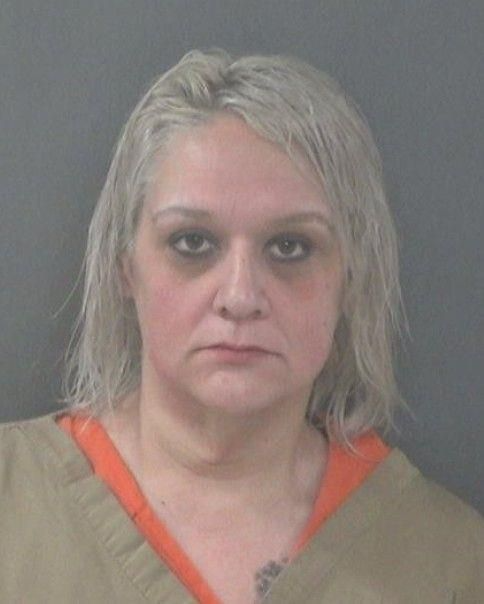
Photo Credit: AVC News
Pictured: Ashley Steele
ZANESVILLE, Ohio — A Muskingum County Children Services caseworker has been charged with 11 felony counts of Tampering with Records after prosecutors say she falsified official documentation related to her work and her employment history.
Ashley Steele, 37, of Senecaville, faces 11 third-degree felony charges, according to the Muskingum County Prosecutor’s Office.
Ten of the charges stem from allegations that Steele falsified information in reports she submitted as a caseworker for Muskingum County Children Services. The 11th charge alleges she provided documentation falsely stating that a prior conviction had been sealed as part of her employment process with the agency.
Children Services officials terminated Steele immediately after the alleged misconduct was discovered and contacted law enforcement, prosecutors said.
“The offenses are taken seriously,” the prosecutor’s office stated, describing the alleged actions as a violation of trust placed in child welfare professionals by both the child involved and the community.
Reports That Shape Court Decisions
Caseworkers’ written reports play a central role in juvenile court proceedings. Judges rely on those documents when making determinations about:
Removal of children from homes
Placement decisions
Visitation restrictions
Permanency planning
In many cases, written reports carry more weight than in-person testimony. Courts often rely heavily on agency documentation when issuing orders that affect parental rights and a child’s living situation.
If records were falsified, the potential scope of impact extends beyond internal agency misconduct.
It raises questions about whether prior court decisions influenced by those reports could be affected.
As of now, officials have not announced whether any previous cases handled by Steele will be reviewed.
Not the First Criminal Case Involving Child Welfare Documentation
While details in this case are still emerging, criminal charges involving falsified child welfare records are not unprecedented nationwide.
Over the past decade, various states have brought charges against child services employees for:
Fabricated home visits
Altered safety assessments
Backdated documentation
Inaccurate court filings
In each instance, the issue centered on the same concern: documentation that shapes legal outcomes must be accurate.
When it is not, families bear the consequences.
Child welfare agencies operate with significant authority. They are empowered to intervene in families’ lives, restrict parental access, and recommend removal of children.
That authority depends on the integrity of the record.
Background Screening Questions
One of the charges alleges Steele falsified documentation regarding a prior conviction during her employment process.
That allegation raises separate concerns about hiring and oversight procedures within the agency.
If proven, it prompts questions about:
How background screening was conducted
Whether documentation was independently verified
What safeguards exist to prevent similar situations
The agency has not publicly detailed its hiring review procedures.
Legal Proceedings Moving Forward
Steele has been charged but not convicted. She is presumed innocent unless proven guilty in court.
Third-degree felonies in Ohio can carry significant penalties, including prison time and fines, if a conviction occurs.
Court proceedings are expected to continue in the coming weeks. Additional information may surface through filings and hearings.
Broader Implications
For families who have had interactions with Muskingum County Children Services, the charges may prompt concern about case integrity.
When a government employee entrusted with documenting child safety decisions is accused of falsifying records, the issue is not administrative.
It is structural.
Accurate documentation is the foundation of due process in juvenile court. Without it, trust in the system erodes.
Officials have stated the alleged misconduct was discovered internally and reported to law enforcement.
Whether further audits or case reviews will occur remains unclear.
As the case moves forward, questions about oversight, accountability, and transparency are likely to continue.